

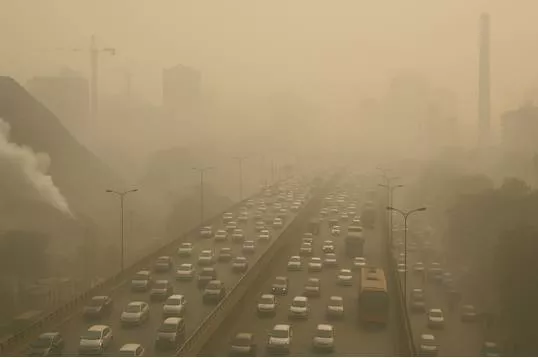
Delhi’s pollution crisis causes consequences and solutions
Pollution in Delhi has become one of the most persistent and alarming challenges of contemporary India. The national capital, home to over 20 million people, frequently makes international headlines for its toxic air quality, contaminated water resources, and mounting waste problems. Despite numerous government interventions, the city continues to face a severe ecological crisis that threatens the health, economy, and overall livability of the region. This essay examines the causes, consequences, and possible solutions to Delhi’s pollution crisis.________________________________________ Historical Context of Pollution in Delhi
Delhi’s transformation from a low-density city to a bustling megacity began in the post-independence era. Industrialization, rapid urbanization, and uncontrolled population growth gradually increased the demand for energy, transport, and housing. By the 1980s, air and water quality had already started deteriorating due to coal-based industries, vehicular emissions, and untreated sewage. The liberalization of the Indian economy in the 1990s intensified the problem as the number of vehicles surged and industrial clusters multiplied. Despite some notable measures such as the introduction of Compressed Natural Gas (CNG) in public transport in 2001, the scale of pollution has outpaced solutions.
________________________________________ Causes of Pollution in Delhi
1. Air Pollution
• Vehicular Emissions: With over 12 million registered vehicles, Delhi has one of the highest vehicle densities in the world. Two-wheelers and diesel-powered vehicles contribute heavily to particulate matter (PM2.5 and PM10).
• Industrial Activity: Numerous small and medium-scale industries located in and around Delhi often operate without proper emission control mechanisms.
• Construction Dust: The city’s never-ending construction of roads, flyovers, metro lines, and housing generates vast amounts of dust particles suspended in the atmosphere.
• Crop Residue Burning: Seasonal stubble burning in neighboring states like Punjab and Haryana contributes significantly to Delhi’s winter smog.
• Meteorological Factors: Delhi’s landlocked geography and wind patterns trap pollutants, especially during the winter months, worsening the smog problem.
2. Water Pollution
• Yamuna River Contamination: Nearly 70% of Delhi’s sewage is discharged untreated into the Yamuna, making the river one of the most polluted in the world. Industrial effluents further worsen the condition.
• Groundwater Depletion and Pollution: Over-extraction of groundwater combined with chemical seepage has caused both quantity and quality issues in Delhi’s aquifers.
3. Solid Waste Pollution
• Delhi generates nearly 11,000 metric tonnes of municipal solid waste daily. A large share ends up in overflowing landfills like Ghazipur, Okhla, and Bhalswa, releasing toxic leachates and methane gas.
4. Noise Pollution
• High population density, continuous traffic congestion, and construction activity contribute to noise levels exceeding prescribed limits, affecting mental health and well-being.
________________________________________ Consequences of Pollution in Delhi
1. Health Hazards
• Air pollution in Delhi has been compared to smoking multiple cigarettes a day. Prolonged exposure causes respiratory ailments, cardiovascular diseases, lung cancer, and reduced life expectancy.
• Water contamination has led to frequent outbreaks of cholera, dysentery, and other waterborne diseases.
2. Environmental Impact
• Declining biodiversity in and around Delhi due to polluted air, water, and soil.
• Reduced visibility during winter smog hampers not only health but also road and air traffic safety.
3. Economic Costs
• Increased healthcare expenditure due to pollution-related diseases.
• Loss of productivity as pollution-related illnesses reduce working efficiency.
• Adverse impact on tourism and foreign investment, as Delhi’s image is tarnished globally.
4. Social Consequences
• Inequality in exposure: poorer communities living near landfills, industrial belts, or congested roads face higher levels of pollution without adequate healthcare facilities.
________________________________________ Measures Taken to Control Pollution
Government Initiatives
• Graded Response Action Plan (GRAP): Introduced in 2017 to implement graded measures like halting construction and restricting vehicle use during severe pollution episodes.
• Odd-Even Scheme: Restrictions on private vehicle movement to reduce traffic emissions.
• CNG Policy: Mandating the use of cleaner fuels in public transport since 2001.
• Ban on Firecrackers: Supreme Court restrictions on bursting firecrackers during festive seasons.
• National Clean Air Programme (NCAP): Launched in 2019, aiming to reduce particulate pollution by 20-30% in cities including Delhi by 2024.
Technological Measures
• Installation of smog towers as experimental solutions.
• Promotion of electric vehicles under the Delhi Electric Vehicle Policy (2020).
________________________________________ Way Forward: Solutions to Delhi’s Pollution Crisis
1. Strengthening Public Transport
Expanding and integrating the Delhi Metro, electric buses, and last-mile connectivity can reduce the dependence on private vehicles.
2. Crop Residue Management
Providing farmers with subsidies for alternative uses of crop stubble, such as biofuel production, can address seasonal smog.
3. Industrial Regulation
Relocation of polluting industries, stricter monitoring, and incentivizing cleaner technologies must be enforced.
4. Waste Management
Adopting waste segregation at source, expanding recycling plants, and promoting waste-to-energy projects will reduce pressure on landfills.
5. River Restoration
Reviving the Yamuna through stricter sewage treatment measures and industrial effluent monitoring should be prioritized.
6. Public Awareness
Citizen participation in pollution control measures, responsible consumption, and eco-friendly lifestyle changes are critical.
7. Regional Cooperation
Since Delhi’s air quality is affected by surrounding states, inter-state coordination on crop burning, industrial emissions, and transport policies is essential.
________________________________________ Conclusion
Delhi’s pollution crisis reflects the complexities of urbanization, governance, and environmental neglect. The city’s deteriorating air, water, and land quality threatens its residents’ health, its economy, and its ecological sustainability. While the government has introduced multiple initiatives, long-term solutions demand coordinated efforts between authorities, industries, and citizens. Without sustained and systemic interventions, Delhi risks becoming unlivable for future generations. Solving this crisis is not merely a matter of technology or policy—it requires a cultural shift towards sustainable living and collective responsibility.






Stay updated with The Hindu Editorial Vocab24 app, your definitive source for breaking news and comprehensive coverage from India and around the globe. Whether it's political developments, business updates, sports highlights, the latest technology trends, or current events, The Hindu brings live, accurate, and reliable news directly to your device.
Don’t fall for sensationalized or fake news shared online. Read and share accurate updates with friends and family through The Hindu Editorial Vocab24 app. Download it today!
News Coverage in The Hindu Editorial Vocab24 App
Breaking News: Receive instant notifications on breaking news stories as they unfold. Stay informed about major events and developments in India and around the world with live blogs, news in shorts videos, and concise articles.
Politics: Get the latest updates on Indian politics, including elections, policy changes, government decisions, and political events that shape the nation.
Business and Economy: Stay ahead in the economic landscape with detailed business news and market analysis. Learn about stock market trends, financial reports, corporate news, and economic developments to make informed investment decisions.
Current Events: Follow stories on social issues, policy changes, global events, and daily current affairs, tailored for UPSC and other competitive exam preparations.
Technology: Keep up with the latest gadgets, innovations, and tech trends. Read expert reviews and analyses in short, concise updates on cutting-edge technology from India and beyond.
Sports: Never miss a moment of your favorite sports. Get live scores, match reports, and expert analysis on cricket, football, tennis, and more.
International News: Stay informed about global events and geopolitical developments, including the Russia-Ukraine war, Israel-Palestine conflict, and other key international stories.
Local News: Stay connected to your community with the latest updates on city events, issues, and local news. Coverage includes hyperlocal updates from cities like Bangalore, Chennai, Delhi, Hyderabad, Mumbai, Kolkata, and more.
Trending Topics: Discover what's trending today with the most talked-about stories and hot topics across India and the world.
Experience journalism that values integrity, accuracy, and reliability. Download The Hindu Editorial Vocab24 app today and stay connected with the world.
Subscribe to our newsletter!







