

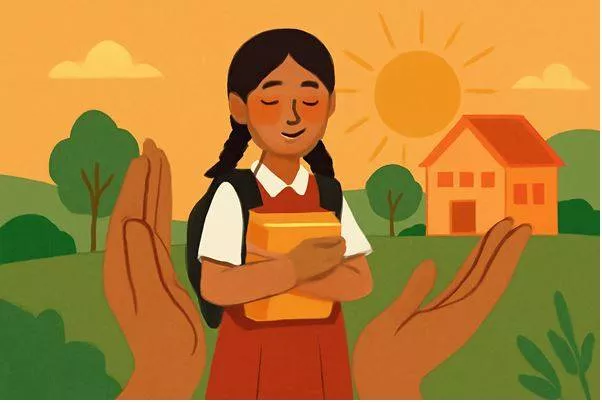
Beti bachao beti padhao – a step towards gender equality
IntroductionIndia, a land of rich cultural heritage and diversity, has unfortunately also been plagued with social evils such as gender discrimination, female foeticide, and inequality in education for centuries. In many parts of the country, the birth of a girl child is still seen as a burden, leading to harmful practices like sex-selective abortion and neglect of female children. To counter these societal issues, the Government of India launched a national campaign named ‘Beti Bachao, Beti Padhao’ (Save the Daughter, Educate the Daughter) on 22nd January 2015. This initiative marked a significant step toward ensuring the survival, protection, and education of the girl child.
Meaning and Objective
The slogan ‘Beti Bachao, Beti Padhao’ encapsulates the dual focus of the campaign — protecting the girl child from societal harm and ensuring her right to education. The core objective of this scheme is to address the declining child sex ratio (CSR) in India, promote gender equality, and empower girls through education and awareness.
The campaign was initiated by Prime Minister Narendra Modi from Panipat, Haryana, a state that had one of the lowest child sex ratios in the country. The aim was to awaken the conscience of society and bring about a change in mindset regarding the value and potential of girl children.
Key Goals of the Scheme
The major goals of the Beti Bachao, Beti Padhao (BBBP) scheme are:
Preventing Gender-Based Sex Selection: To eliminate female foeticide and ensure that girl children are not aborted before birth.
Ensuring Survival and Protection of the Girl Child: To improve the health, safety, and overall well-being of girls from birth onwards.
Promoting Education for Girls: To encourage families to send their daughters to school and pursue higher education.
Raising Awareness: To change societal attitudes and eliminate discrimination against girls.
Increasing Participation of Women: To create opportunities for girls to participate in social, economic, and political life.
Implementation and Features
The Beti Bachao, Beti Padhao scheme is implemented through a tri-ministerial effort involving the Ministry of Women and Child Development, Ministry of Health and Family Welfare, and the Ministry of Education (formerly Human Resource Development). The program began with 100 districts across the country with low CSR and was later expanded to cover all 640 districts.
Some notable features of the scheme include:
Awareness Campaigns: Various initiatives such as street plays, posters, rallies, social media drives, and school programs are conducted to educate people about gender equality and the importance of girl child education.
Enforcement of Laws: The scheme emphasizes strict implementation of laws like the Pre-Conception and Pre-Natal Diagnostic Techniques (PCPNDT) Act, which prohibits sex determination of the fetus.
Support for Girls’ Education: Efforts are made to provide free and quality education for girls, promote scholarships, and improve school infrastructure, especially in rural and backward areas.
Achievements and Impact
Since its inception, the Beti Bachao, Beti Padhao scheme has achieved several notable outcomes:
Improvement in Child Sex Ratio: Several states have reported a significant rise in the child sex ratio. For instance, Haryana witnessed a rise from 871 girls per 1000 boys in 2015 to over 914 in subsequent years.
Increased School Enrollment of Girls: More girls are now being enrolled in schools, especially in rural areas. The dropout rate among girls has also reduced.
Enhanced Public Awareness: The scheme has led to increased awareness about the rights of girl children and the evils of gender discrimination.
Community Involvement: Local leaders, NGOs, teachers, and health workers are now more actively involved in promoting the welfare of girl children.
Challenges and Criticism
Despite its successes, the Beti Bachao, Beti Padhao scheme has faced several challenges and criticisms:
Uneven Implementation: In some districts, the scheme has not been implemented effectively due to lack of coordination and monitoring.
Limited Fund Utilization: According to government reports, a significant portion of the allocated funds has been used for publicity rather than actual welfare measures.
Deep-Rooted Social Norms: Changing mindsets that have been shaped over generations remains a difficult and long-term task. Social bias against girls still exists in many parts of the country.
Need for More Grassroots Engagement: While awareness has increased, more localized and community-driven programs are needed to sustain the momentum.
Role of Society in Making the Scheme Successful
Government initiatives alone cannot achieve the desired change unless supported by the collective efforts of society. Families, educators, media, and civil society must play an active role in:
Encouraging Equal Treatment of Boys and Girls: Parents must treat daughters with the same love, respect, and opportunities as sons.
Promoting Girl Child Education: Communities must ensure that girls not only attend school but are supported in completing their education and pursuing careers.
Ending Child Marriage and Other Abuses: Strict action must be taken to prevent early marriage, abuse, and exploitation of girls.
Celebrating the Girl Child: Families and communities should celebrate the birth of girls and encourage them to dream big.
Conclusion
‘Beti Bachao, Beti Padhao’ is more than just a government slogan — it is a national movement aimed at restoring the dignity, respect, and rights of the girl child. The scheme reflects India’s commitment to gender justice, women empowerment, and inclusive growth. While much progress has been made, there is still a long way to go. A nation can only prosper when its daughters are safe, educated, and empowered.
It is the duty of every citizen to join hands in this noble cause and ensure that every girl is given the opportunity to live a life of dignity, purpose, and achievement. As the saying goes, ‘If you educate a man, you educate an individual. But if you educate a woman, you educate a nation.’ Let us all work together to build an India where daughters are no longer seen as liabilities, but as assets who shape the future of the nation.






Stay updated with The Hindu Editorial Vocab24 app, your definitive source for breaking news and comprehensive coverage from India and around the globe. Whether it's political developments, business updates, sports highlights, the latest technology trends, or current events, The Hindu brings live, accurate, and reliable news directly to your device.
Don’t fall for sensationalized or fake news shared online. Read and share accurate updates with friends and family through The Hindu Editorial Vocab24 app. Download it today!
News Coverage in The Hindu Editorial Vocab24 App
Breaking News: Receive instant notifications on breaking news stories as they unfold. Stay informed about major events and developments in India and around the world with live blogs, news in shorts videos, and concise articles.
Politics: Get the latest updates on Indian politics, including elections, policy changes, government decisions, and political events that shape the nation.
Business and Economy: Stay ahead in the economic landscape with detailed business news and market analysis. Learn about stock market trends, financial reports, corporate news, and economic developments to make informed investment decisions.
Current Events: Follow stories on social issues, policy changes, global events, and daily current affairs, tailored for UPSC and other competitive exam preparations.
Technology: Keep up with the latest gadgets, innovations, and tech trends. Read expert reviews and analyses in short, concise updates on cutting-edge technology from India and beyond.
Sports: Never miss a moment of your favorite sports. Get live scores, match reports, and expert analysis on cricket, football, tennis, and more.
International News: Stay informed about global events and geopolitical developments, including the Russia-Ukraine war, Israel-Palestine conflict, and other key international stories.
Local News: Stay connected to your community with the latest updates on city events, issues, and local news. Coverage includes hyperlocal updates from cities like Bangalore, Chennai, Delhi, Hyderabad, Mumbai, Kolkata, and more.
Trending Topics: Discover what's trending today with the most talked-about stories and hot topics across India and the world.
Experience journalism that values integrity, accuracy, and reliability. Download The Hindu Editorial Vocab24 app today and stay connected with the world.
Subscribe to our newsletter!







