

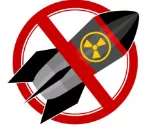
Banning the bomb — on nuclear weapons
The Nobel Peace Prize conferred on the International Campaign to Abolish Nuclear Weapons (ICAN) is equally a recognition for the 122 countries that backed the 2017 UN treaty this summer to ban the bomb. The fact that it has taken over seventy years to codify the UN General Assembly’s 1946 goal to eliminate atomic weapons from national armaments is a measure of the significance of this year’s prize. Today, the terms of the anti-nuclear debate encompass larger issues of environmental destruction, in conjunction with the catastrophic humanitarian consequences of a potential holocaust. ICAN’s emphasis on this latter dimension, an aspect underscored by the Nobel committee in Norway, marks a departure of sorts in the nuclear discourse. To appreciate it, one merely has to draw a comparison with the preoccupations of the peace movement during the years of the Cold War. The emphasis then was principally on the grave danger from serious miscalculations, stemming from mutual threat perceptions between the U.S. and the USSR. The committee has also lauded ICAN’s endeavours to fill the legal gap through its leadership on the adoption of the Treaty on the Prohibition of Nuclear Weapons. With cluster munitions, land mines and chemical and biological weapons having been banned, nuclear weapons remained the last category of weapons of mass destruction that had not been outlawed. Here again, ICAN’s emphasis on the humanitarian consequences of nuclear destruction have galvanised global support for the new treaty. Notable is the perception that the sheer magnitude of destruction wrought by any nuclear strikes would amount to crimes against humanity.A catalyst to this process was the stricture that the use of nuclear arms had to be compatible with humanitarian law. This was laid down in a 1996 advisory opinion of the International Court of Justice. The long-term health implications for local populations from underground nuclear detonations have also been a growing concern. A plea last year, also at the ICJ, for compensation for exposure to contamination from the explosions in the Marshall Islands failed on technical grounds. But the case amplified these concerns, which human rights groups and organisations engaged in humanitarian relief activities exploited to shape a new narrative — with the result that a provision on victim protection has been codified in the new UN treaty. Given this overall dynamic, it seems reasonable to expect that the minimum number of ratifications would be submitted soon for the treaty to come into force. In September, the Italian parliament passed a resolution urging the government to explore accession to the UN agreement without contravening its obligations to NATO. A similar step by the Dutch legislature had authorised the government to participate in the treaty deliberations. These developments may not culminate in immediate ratification. But they raise the prospect that governments will be forced to heed public sentiment sooner than later. The ICAN’s endeavors may pay off eventually.




Top court quashes FIRs against Gen Z protesters
Sep 04, 2026







Stay updated with The Hindu Editorial Vocab24 app, your definitive source for breaking news and comprehensive coverage from India and around the globe. Whether it's political developments, business updates, sports highlights, the latest technology trends, or current events, The Hindu brings live, accurate, and reliable news directly to your device.
Don’t fall for sensationalized or fake news shared online. Read and share accurate updates with friends and family through The Hindu Editorial Vocab24 app. Download it today!
News Coverage in The Hindu Editorial Vocab24 App
Breaking News: Receive instant notifications on breaking news stories as they unfold. Stay informed about major events and developments in India and around the world with live blogs, news in shorts videos, and concise articles.
Politics: Get the latest updates on Indian politics, including elections, policy changes, government decisions, and political events that shape the nation.
Business and Economy: Stay ahead in the economic landscape with detailed business news and market analysis. Learn about stock market trends, financial reports, corporate news, and economic developments to make informed investment decisions.
Current Events: Follow stories on social issues, policy changes, global events, and daily current affairs, tailored for UPSC and other competitive exam preparations.
Technology: Keep up with the latest gadgets, innovations, and tech trends. Read expert reviews and analyses in short, concise updates on cutting-edge technology from India and beyond.
Sports: Never miss a moment of your favorite sports. Get live scores, match reports, and expert analysis on cricket, football, tennis, and more.
International News: Stay informed about global events and geopolitical developments, including the Russia-Ukraine war, Israel-Palestine conflict, and other key international stories.
Local News: Stay connected to your community with the latest updates on city events, issues, and local news. Coverage includes hyperlocal updates from cities like Bangalore, Chennai, Delhi, Hyderabad, Mumbai, Kolkata, and more.
Trending Topics: Discover what's trending today with the most talked-about stories and hot topics across India and the world.
Experience journalism that values integrity, accuracy, and reliability. Download The Hindu Editorial Vocab24 app today and stay connected with the world.
Subscribe to our newsletter!







